About the project
Harnessing Ecological Infrastructure for the Urbanizing World
Ecological infrastructure is the interconnected network of natural, semi-natural, and structural landscape features that sustain essential ecosystem services and promote ecological resilience alongside the built environment. We employ a variety of approaches toward a common goal: leveraging biodiversity (and the anthropogenic structures that support it) to its fullest potential. Our work has two major themes, discussed below.
Native Freshwater Mussels as Biofilters
Native freshwater mussels function as dynamic, living suspension feeders within river corridors. By filtering water to feed on suspended particulates, algae, and organic matter, mussel assemblages directly reduce turbidity and improve light penetration across benthic habitats.
Mussels also drive critical nutrient cycling by sequestering carbon, nitrogen, and phosphorus into shell and soft tissue while depositing bioavailable nutrients onto the riverbed for benthic food webs. By deploying targeted assemblages at appropriate densities, we can harness biological filtration as self-sustaining aquatic infrastructure.

Stone Walls as Ecological Infrastructure
Dry-stone walls are durable landscape features that perform vital ecological functions. These porous structures influence local microclimates, moderate surface hydrology, and anchor slope stability against overland runoff and soil erosion.
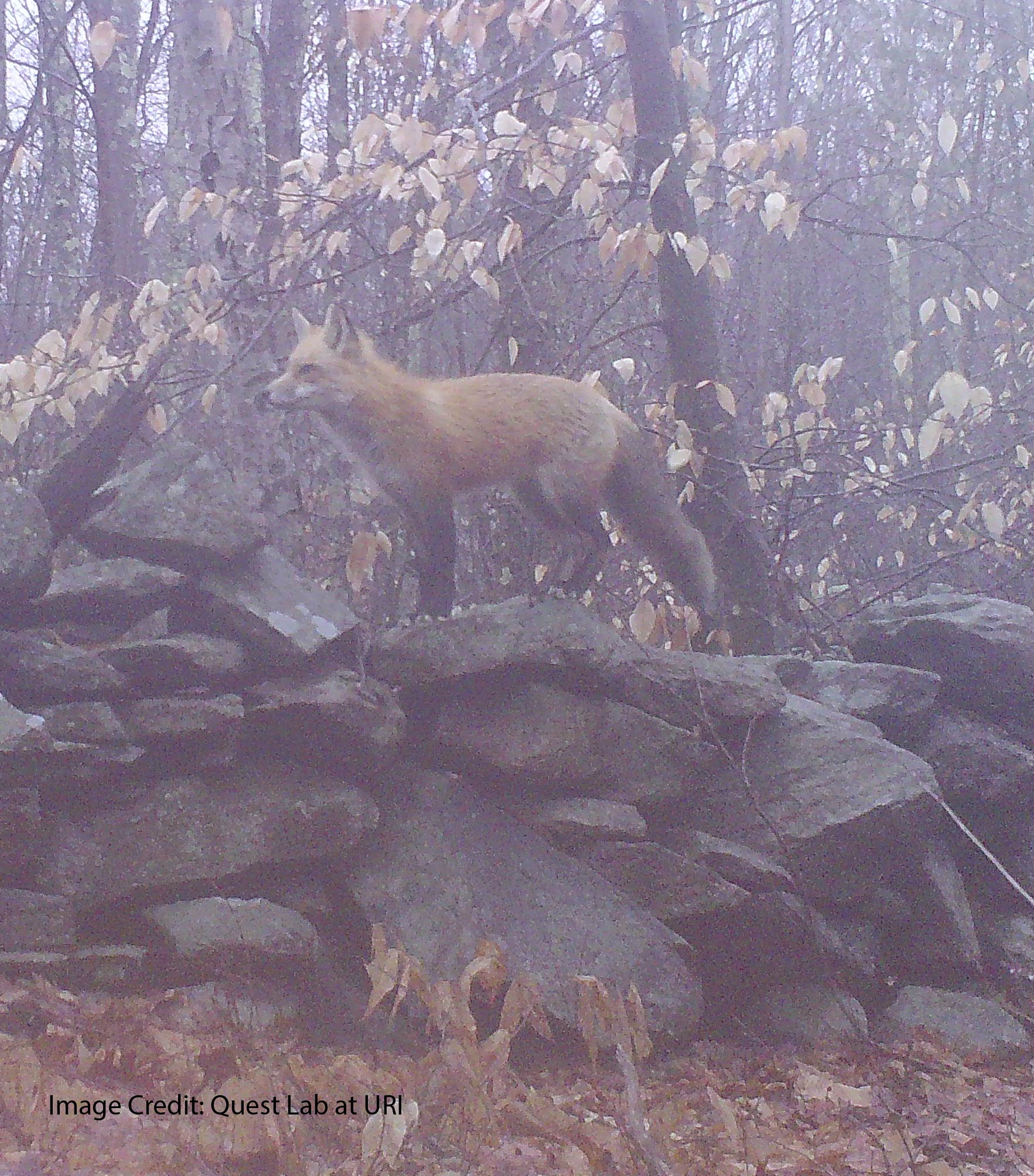
The intricate interstitial spaces between stones provide continuous linear corridors and microrefugia for small mammals, reptiles, amphibians, and specialized bryophyte and lichen communities.
Research
Quantitative and qualitative surveys, tissue and sediment stoichiometry, and population genetics.
Restoration
Integrating biological reintroductions with terrestrial landscape stabilization features.
Education
Engaging communities through participatory monitoring, field mapping, and watershed science.
Get involved
Restoration is fundamentally a community effort.
Our collaborative programs invite community scientists and students to participate in mussel surveys, invasive aquatic plant removals, and habitat surveys.
View the Field Gallery